Aging Gracefully
Slug vs sloth: A tail of the tape

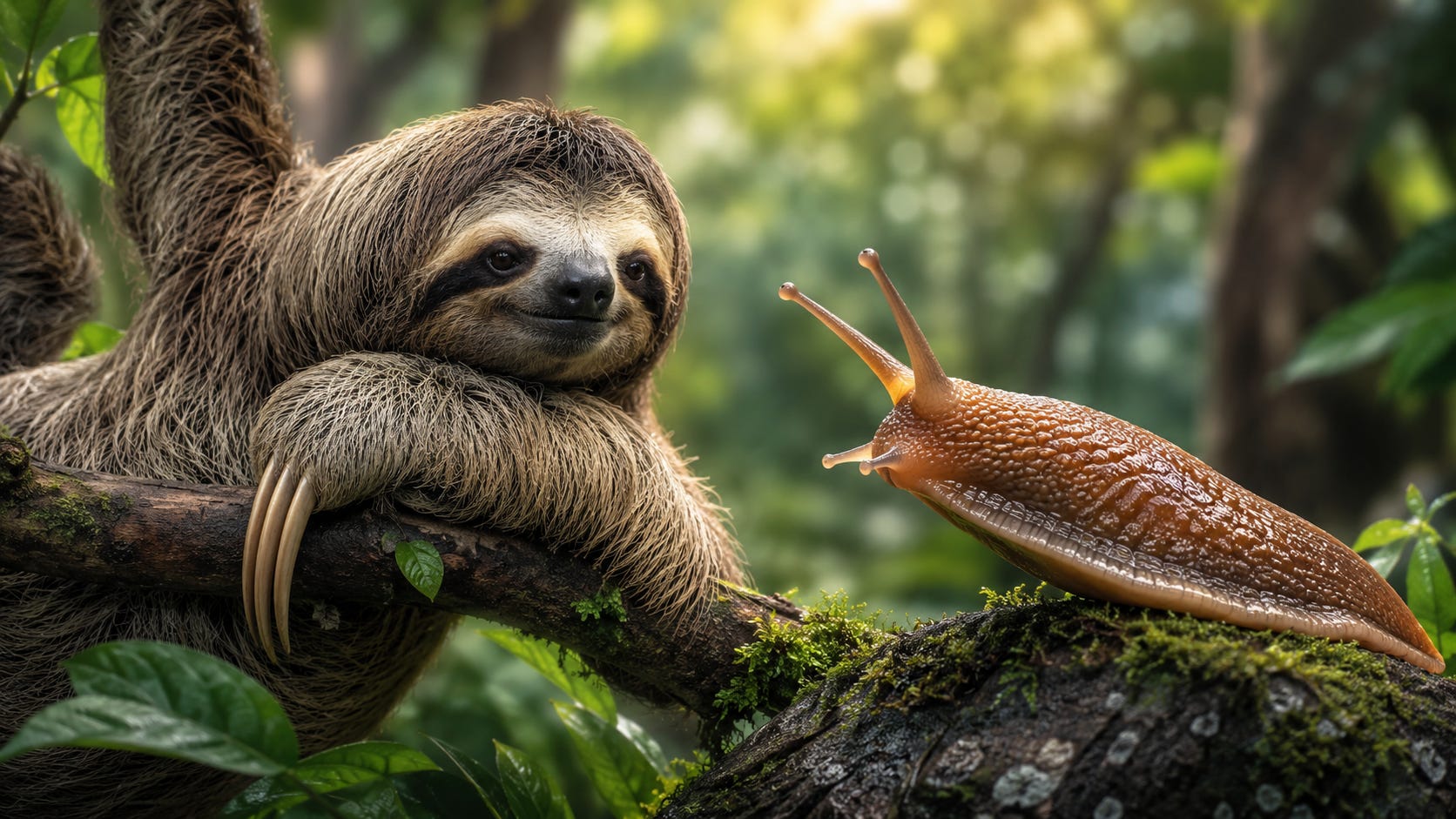
Those of us who have occasionally been referred to as a sloth, perhaps during a lazy moment on a weekend or because we can at times move more slowly than the rest, feel a kinship to the incredibly cute, furry creature of the Latin American rainforests. They’re a good hang.
Elsewhere in the animal world of deliberate movement, there’s a mollusk also known for its slow gait, that’s called a slug, that is alliterative and very similar in reputation to the sloth. But oh so different in reality.
Slugs and sloths are both notorious for moving slowly without knowing so. They think they’re fine. But they’ve become a punchline, gratuitously, unwittingly and involuntarily synonymous with laziness, and with slackers, slouches and slowpokes.
And it ain’t right.
I’m going to contrast the two leisurely creatures for no reason other than it seemed like a good idea at the time.
Slugs
Slugs are mollusks who have lost their shell. Kind of like Timothee Chalamet lost his way. Within the phylum of mollusks, slugs are gastropods, which literally translates to “stomach-foot.” They crawl on a single foot located on the underside of their body. No wonder they move so slow. Not their fault.
What’s also not their fault is that slugs seemingly have an entire category of behavior specifically named after them… sluggish. But it turns out the slug name is not what it seems.
The word sluggish was a Scandinavian word for moving slowly long before slugs ever appeared in our gardens and backyards. In fact, the little green creatures (or yellow in the case of banana slugs ) were originally called snails, even though they didn’t have shells. Then some joker decided to pejoratively call them slugs after the term sluggish. It’s basically a bad nickname that stuck. Like “Vlad The Impaler” or “Bababooey.”
Here are the three most common types of slugs:
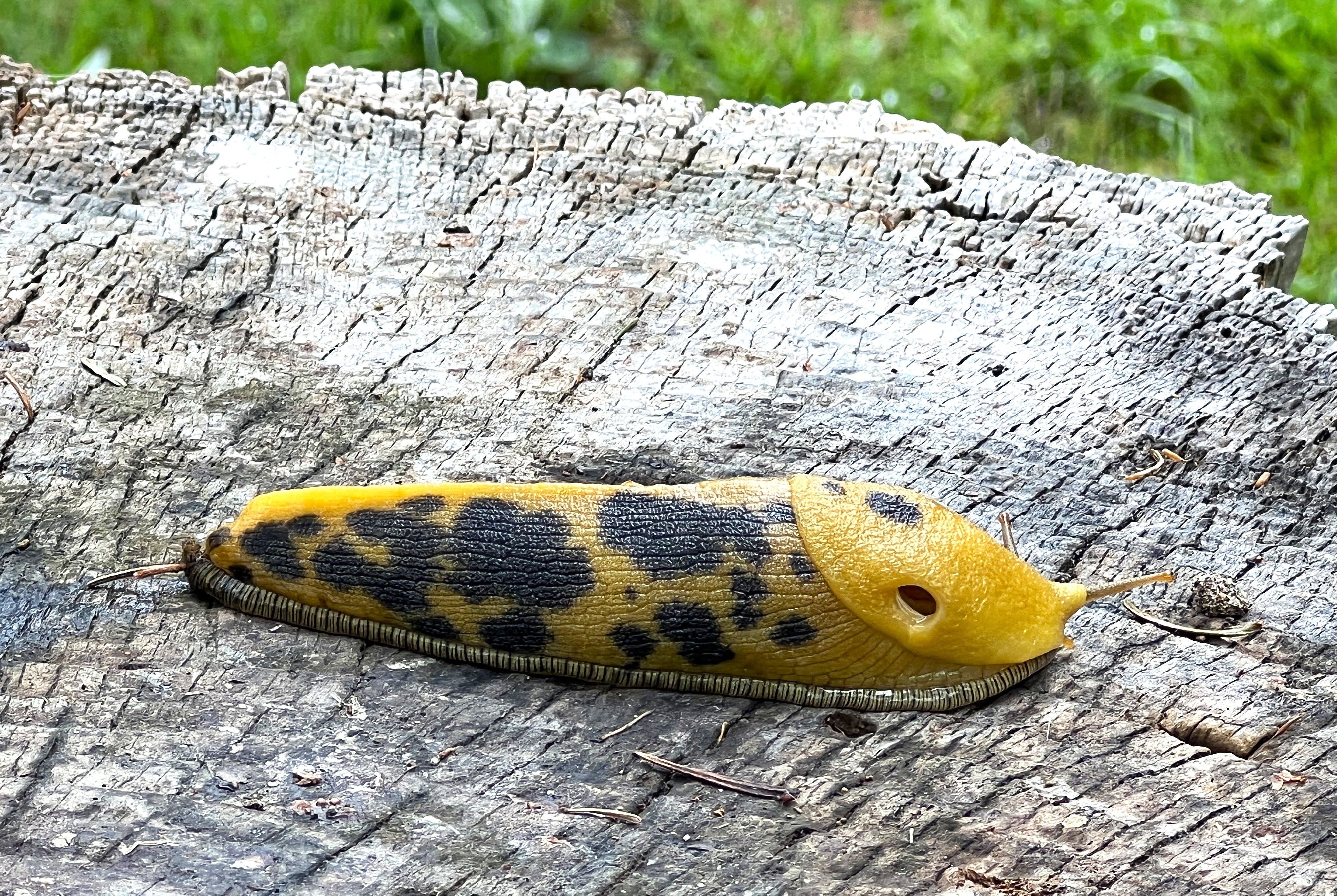
Banana Slug: A large, bright yellow (sometimes spotted) native of the Pacific Northwest, and shockingly the mascot of UC Santa Cruz. A team that never made the Final Four. Hmmm.
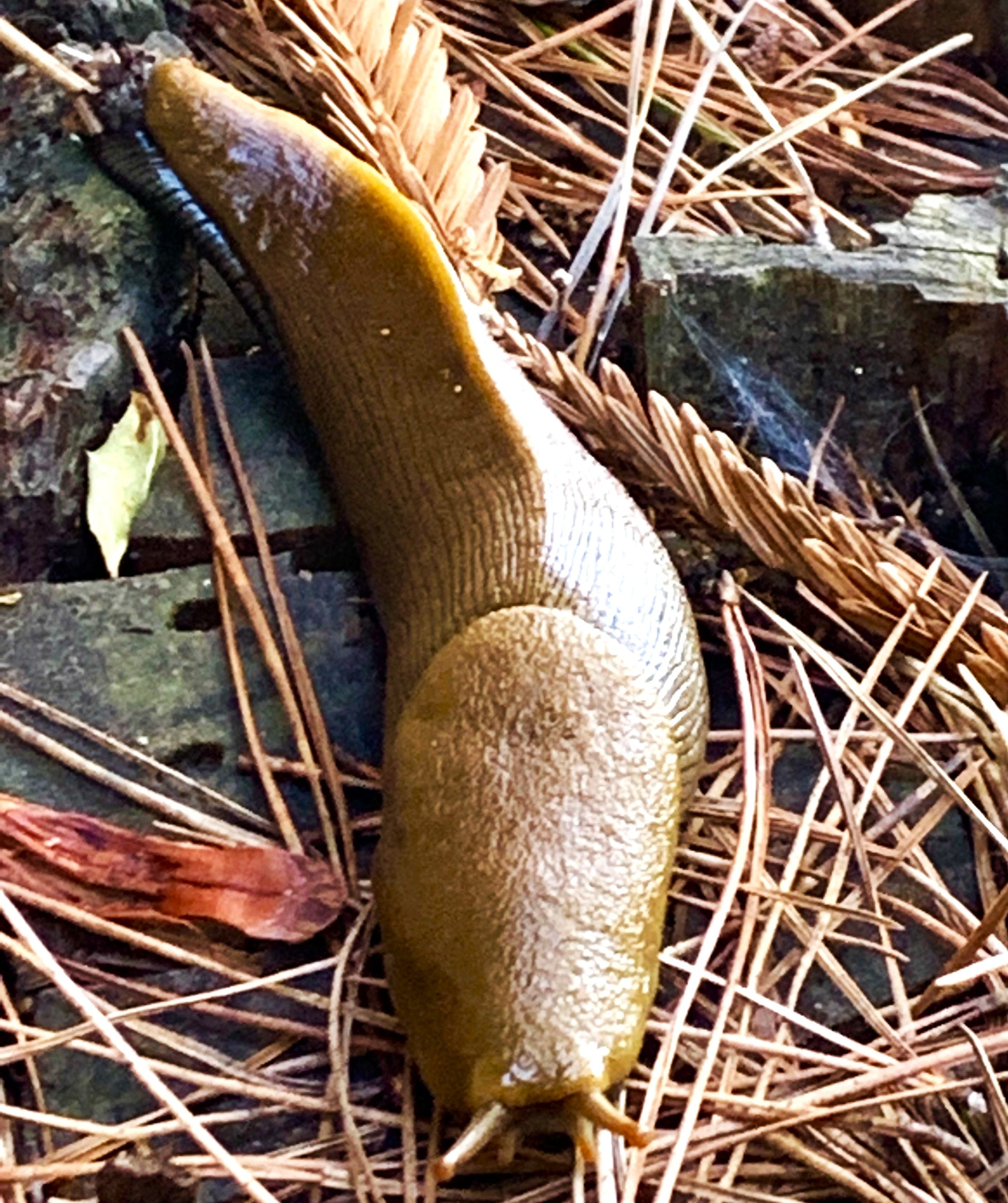
Leopard Slug: A large, dotted gray and black slug originally from Europe that is known to eat other slug species. Hannibal Slugster.
Grey Field Slug: One of the most widespread agricultural and garden pests, often found across North America and Europe. A slow pest.
Sloths
According to Wikipedia, sloths are the slowest land mammals in the world, only to be outdone by the slowest animal on the planet, the sea sponge, that never moves at all. So that’s really slow. Sloths live in trees mainly in tropical rainforests of Central and South America and spend most of their lives hanging upside down, like the Stranger Things.
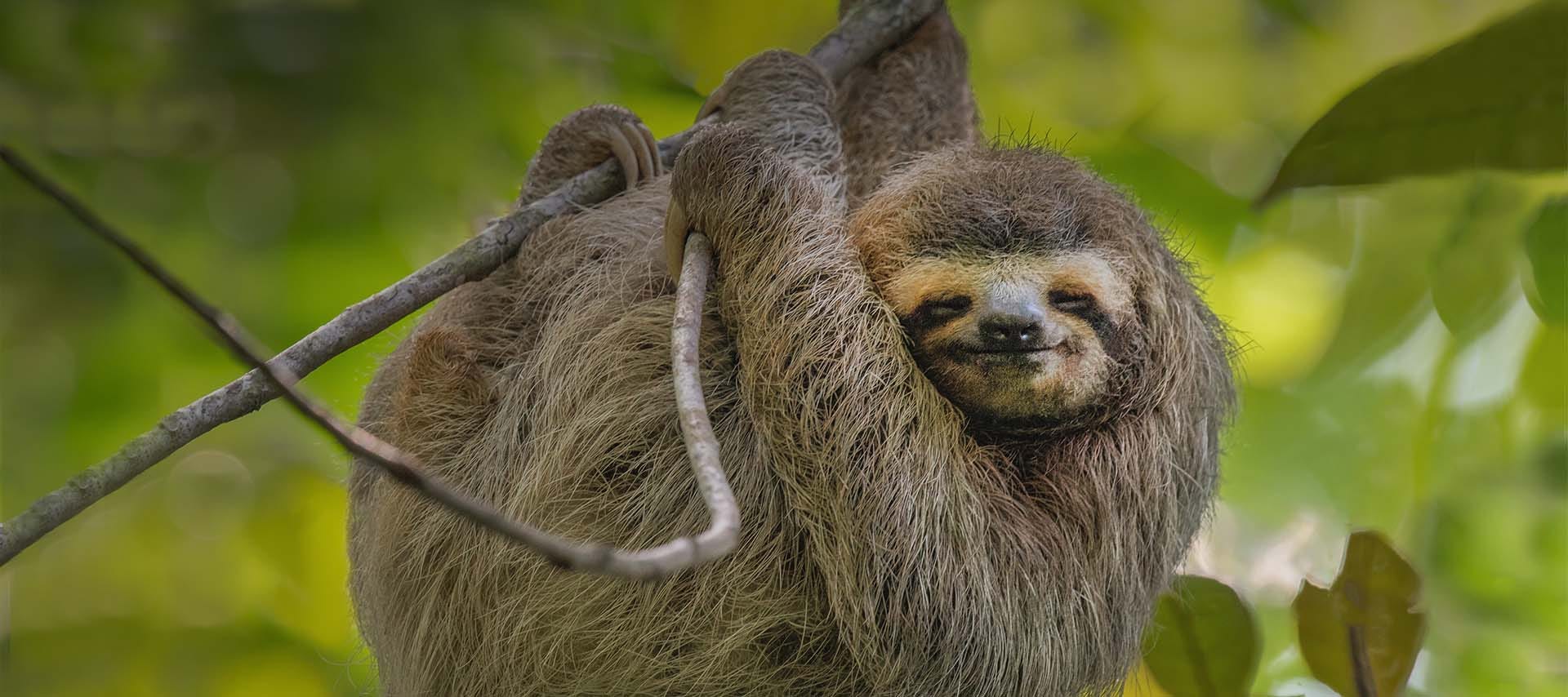
I ran into my first and only sloth 10 years ago in Costa Rica. When I say ran into, I mean looked up at in a tree, because sloths move only when necessary and even then, very slowly. They spend 90 percent of their time motionless in trees. And their fur can look like tree bark from afar.
Sloths rarely leave their branches typically descending about once every eight days to defecate on the ground or pick up an Amazon package.
Male sloths are solitary animals that rarely interact with one another except to breed, while female sloths do sometimes congregate, more so than do males. Sloths: They’re just like us!
Sloths are divided into two categories: Two-toed sloths and three-toed sloths. The three-toed kind look very similar to us or a Muppet version of us. They’ve got the adorable gene.
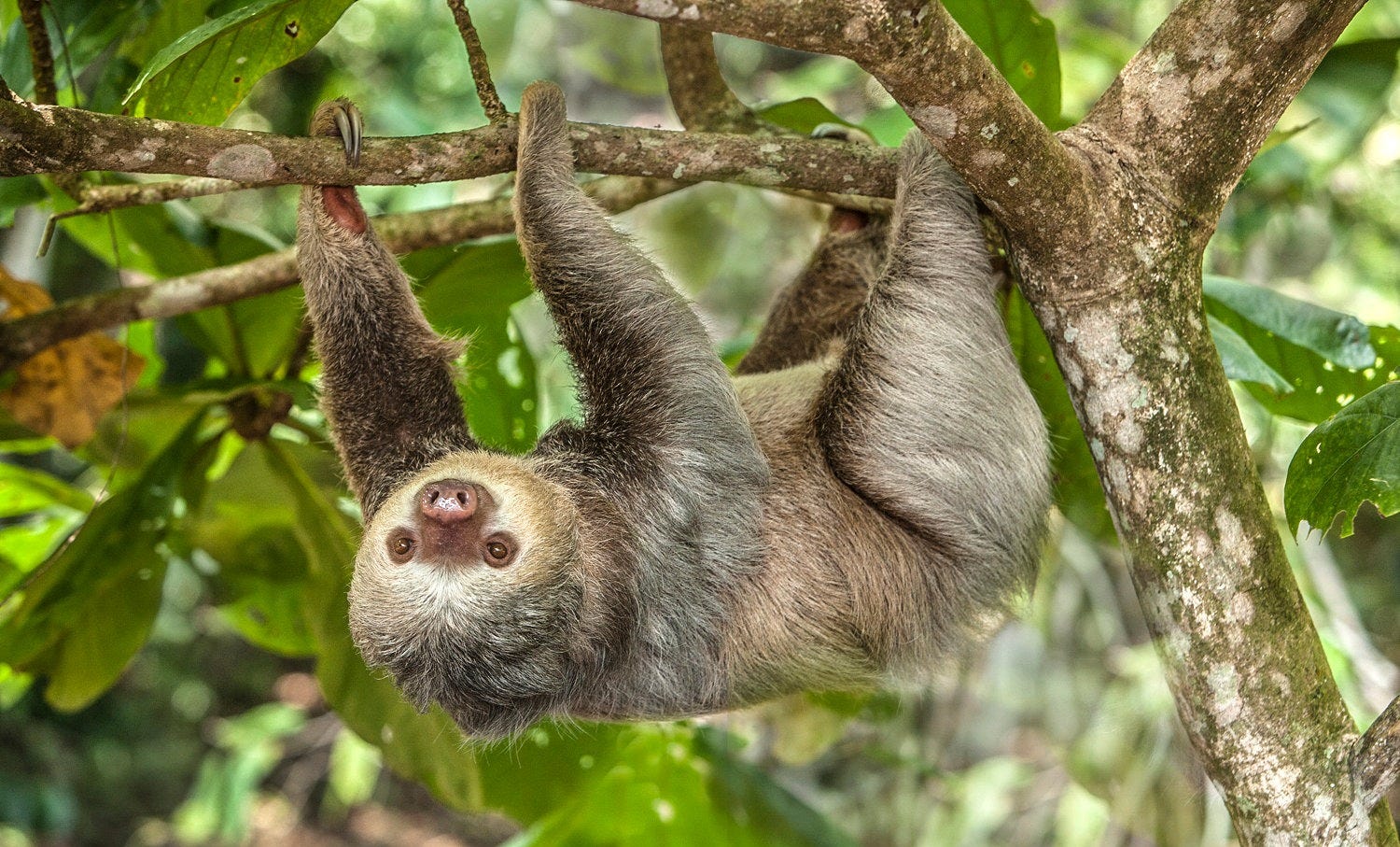
The two-toers look more like weasels. They’re larger and faster than their three-toed cousins. And they are usually photographed upside down. It’s their best side.
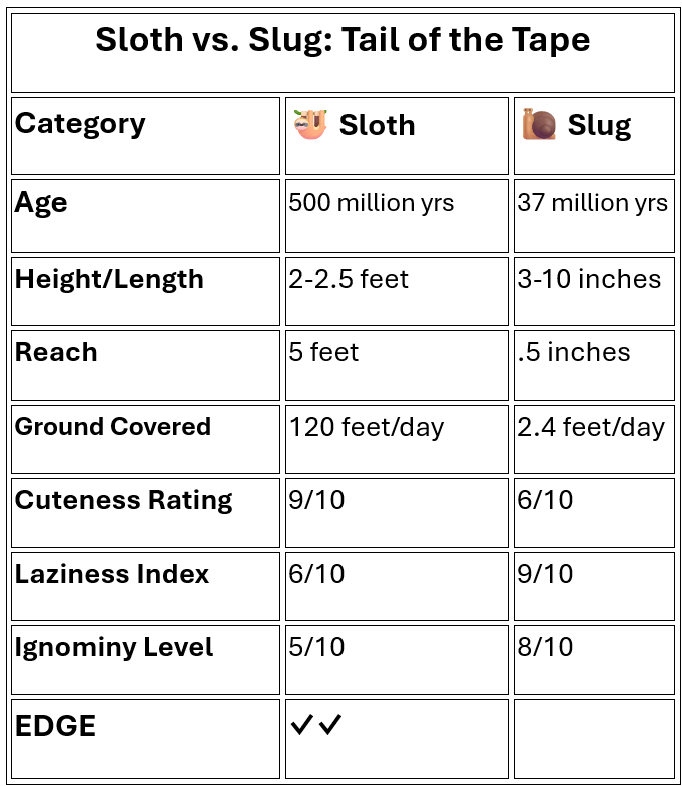
Among these two lackadaisical laggards, the slug and sloth, the sloth clearly comes out on top in a side-by-side comparison as the rigorous data confirm below. The sloth has arms for starters, and the notion that it only moves for sex and defecating makes it a winner for me. What an efficient use of energy. What do these guys do when they retire??